Learning Shibari in Japan: What to Expect, Costs, Classes & Culture
*WRITTEN FROM PERSONAL EXPERIENCE AND FROM MY POINT OF VIEW. DEFINITELY THIS IS NOT A COMPREHENSIVE GUIDE ON JAPANESE SHIBARI, JUST A LITTLE OVERVIEW OF MY JOURNEY, THAT CAN BE HELPFUL TO OTHERS.. YOU ARE WELCOME TO COMMENT AND SHARE YOUR OPINION
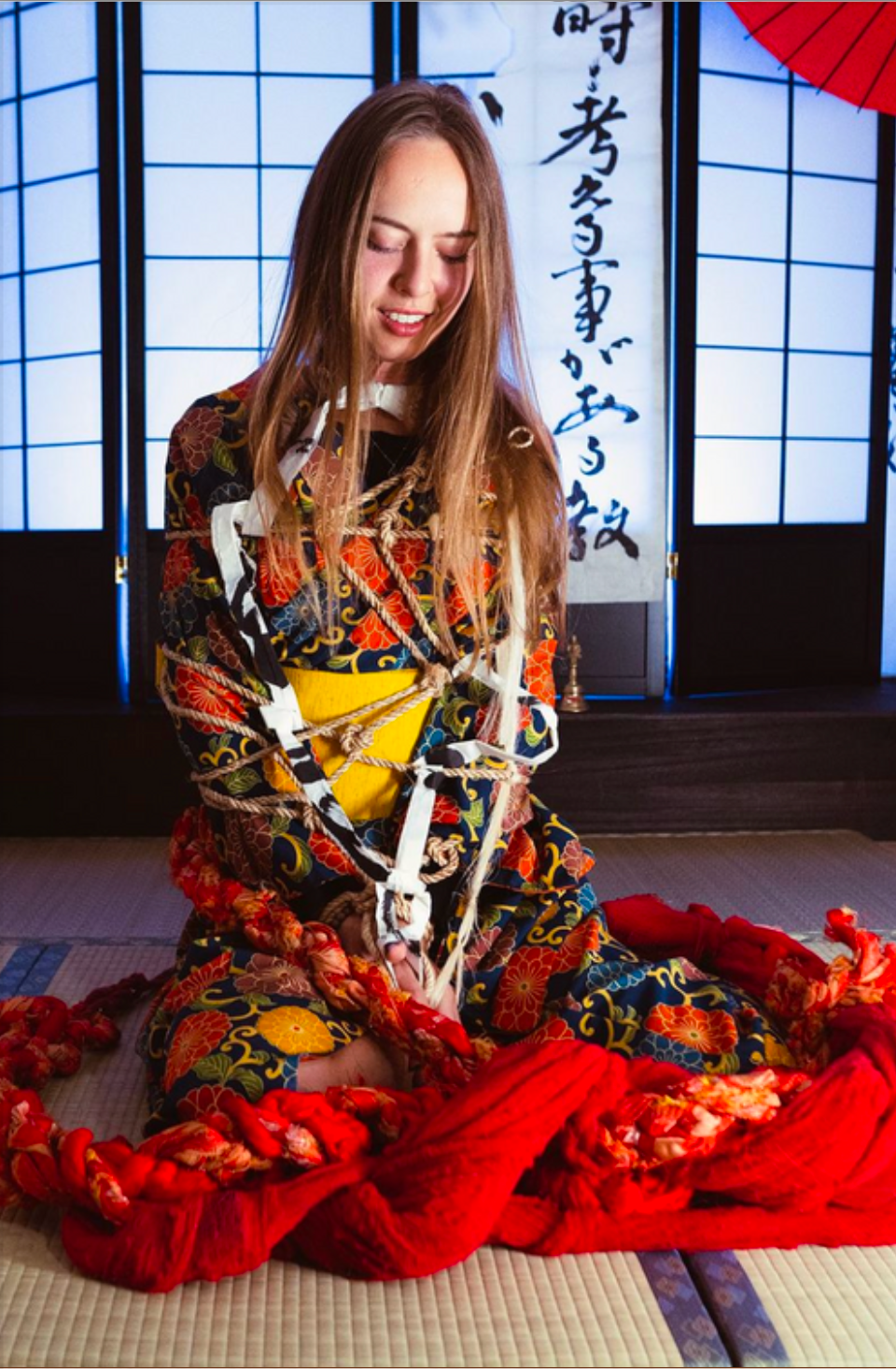
(featured image shibari and photography done by @pablo.shibari)
Learning Shibari in Japan: What It’s Really Like
(And Why You Might Want a Guide Before You Go)
Japan is where Shibari comes from.
And yes, it is beautiful.
But it is also disciplined, demanding, confusing, and very different from what most people imagine.
I’ve returned to Japan many times over the years to study, practice, observe, and immerse myself in rope culture there. Every trip taught me something new. Not just about technique, but about pace, etiquette, hierarchy, and patience.
This article isn’t a complete guide. It’s a window into what you should know before you book classes, message teachers, or walk into a rope space expecting things to work the way they do back home.
Is Japan a Good Place to Learn Shibari?
Yes. Absolutely.
Learning Shibari in Japan can be deeply inspiring. You get to see rope treated with care, patience, and seriousness. Many people come back with a renewed respect for fundamentals and details they hadn’t noticed before.
At the same time, learning there works a little differently than in many Western spaces.
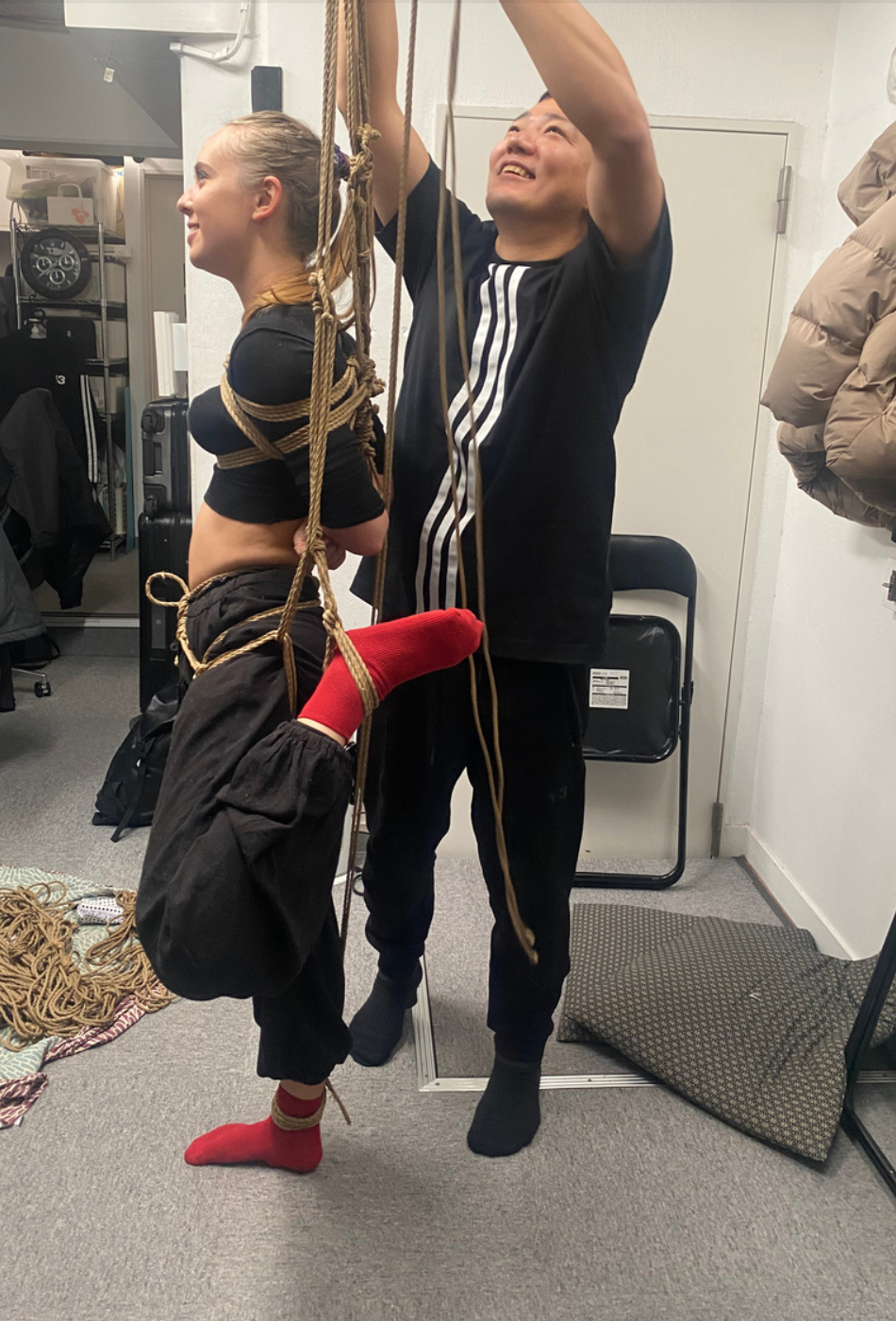
Shibari in Japan is often approached like a discipline, sometimes even compared to a martial art. Students tend to study consistently with the same teacher, often over a long period of time. Progress is slow, focused, and very detail-oriented.
If you already have some basics and curiosity, Japan can be an amazing next step. Even just observing classes or practicing in traditional spaces can change the way you see rope.
How Shibari Classes Work in Japan
Group Classes
Group classes are common and are a great way to experience the atmosphere and community. You’ll see many different styles and levels in the same room.
Most classes are taught in Japanese, but that doesn’t mean they’re inaccessible. Watching, copying, and feeling the rhythm of the room is part of the experience. It’s also a beautiful way to connect beyond words.
Hajime Kinoko has classes every Tuesday at the dojo, IchinawaKai. Those are foreigner-friendly, but not always there will be teachers that speak English, so, unless you speak Japanese, be ready to be a little lost.
https://shibari.jp/lesson/ichinawakai.html
Private Lessons
Private lessons are more focused and allow you to go deeper into specific techniques or styles.
Typical prices are:
• Teacher: ¥10,000–¥20,000 per hour
• Model: around ¥5,000 per hour
• Minimum booking: usually two hours
Models are always paid in Japan. If you don’t bring your own partner, hiring a model is completely normal and professional.
Many teachers speak little or no English, so having a translator or Japanese-speaking friend can be very helpful.
The Cultural Side of Learning Shibari in Japan
This is one of the parts I personally love.
There is a strong sense of etiquette and respect in Japanese rope spaces. Things like arriving on time, dressing simply, observing quietly, and following the flow of the space are appreciated.
You don’t need to be perfect. Curiosity, humility, and respect go a long way.
Some venues are especially welcoming to foreigners, while others are more traditional and reserved (you need to speak the language). Knowing this in advance helps you choose spaces where you’ll feel comfortable and relaxed.
Japanese Shibari Ropes: Why People Love Them
Yes, people are right.
Japanese ropes really do feel different.
The jute, the oils, and the preparation methods vary from what many people are used to elsewhere. Many practitioners oil their ropes without burning or waxing, and jute is commonly used, even for suspension.
This comes with experience, rope rotation, and a deep understanding of material care. Seeing how rope is treated in Japan can completely change the way you think about your own ropes.
Rope Bars, Salons & Rope Jams in Japan
One of the most exciting parts of exploring Shibari in Japan is the variety of rope-friendly spaces.
There are:
• Rope bars
• SM and fetish bars
• Salons
• Rope jams
Each space has its own atmosphere, pricing system, and rules. Some are social and community-oriented, others focus more on performance or traditional practice.
Visiting these spaces can be inspiring, educational, and sometimes surprising in the best way.
A Few Rope-Friendly Places to Explore in Japan
If you’re curious where to actually go, here are a few well-known options that many visitors start with. Each one has a very different vibe, which is part of the fun.
Arcadia
One of the oldest rope and SM bars in Tokyo. Western-style interior, suspension points, and a mix of rope play, performances, and social nights. Structured system, clear rules, and a good entry point for visitors who want to observe or gently participate.Ecole
A more traditional Japanese space with tatami and bamboo floors. Hosts classes, rope jams, and performances. Feels very “old school” and is a great place to experience a classic atmosphere.Titty Twister
Known for rope-focused events, themed nights, and collaborations (for example, rope and flower nights). A bit more playful and creative, while still structured.IchinawaKai
Famous for weekly group classes connected to Hajime Kinoko. More of a training and practice environment than a bar, and one of the more accessible options for foreigners who want to experience traditional class settings.
Each space has its own rules, pricing system, and expectations, so it’s always best to check their website or social media before going. Even just visiting to observe can be incredibly inspiring and give you a deeper sense of how Shibari lives in Japan.
Here is a full guide, that has more 30+ places recommendations. Read here.
Why I Created the Shibari in Japan Guide
Over the years, people kept asking me:
• Is it worth going to Japan for Shibari?
• How do classes really work?
• How much should I budget?
• Where can I practice or observe?
• How do I avoid feeling lost or awkward?
So I created my Shibari in Japan Guide, based entirely on my own experiences learning and exploring rope in Japan.
Inside the guide, I share:
• How classes and private lessons work
• Realistic pricing
• Different teaching styles
• Rope culture and materials
• Rope bars, salons, and jams (and their schedules and locations with links)
• Cultural tips that make everything smoother
It’s not meant to replace exploration.
It’s meant to help you arrive prepared, relaxed, and curious.
👉 You can find the full Shibari in Japan Guide here
link
If Japan is calling you, I truly encourage you to go.
It’s challenging, beautiful, confusing, and deeply rewarding, often all at once.
And if you want a little guidance along the way, I’ve got you covered.

Written by
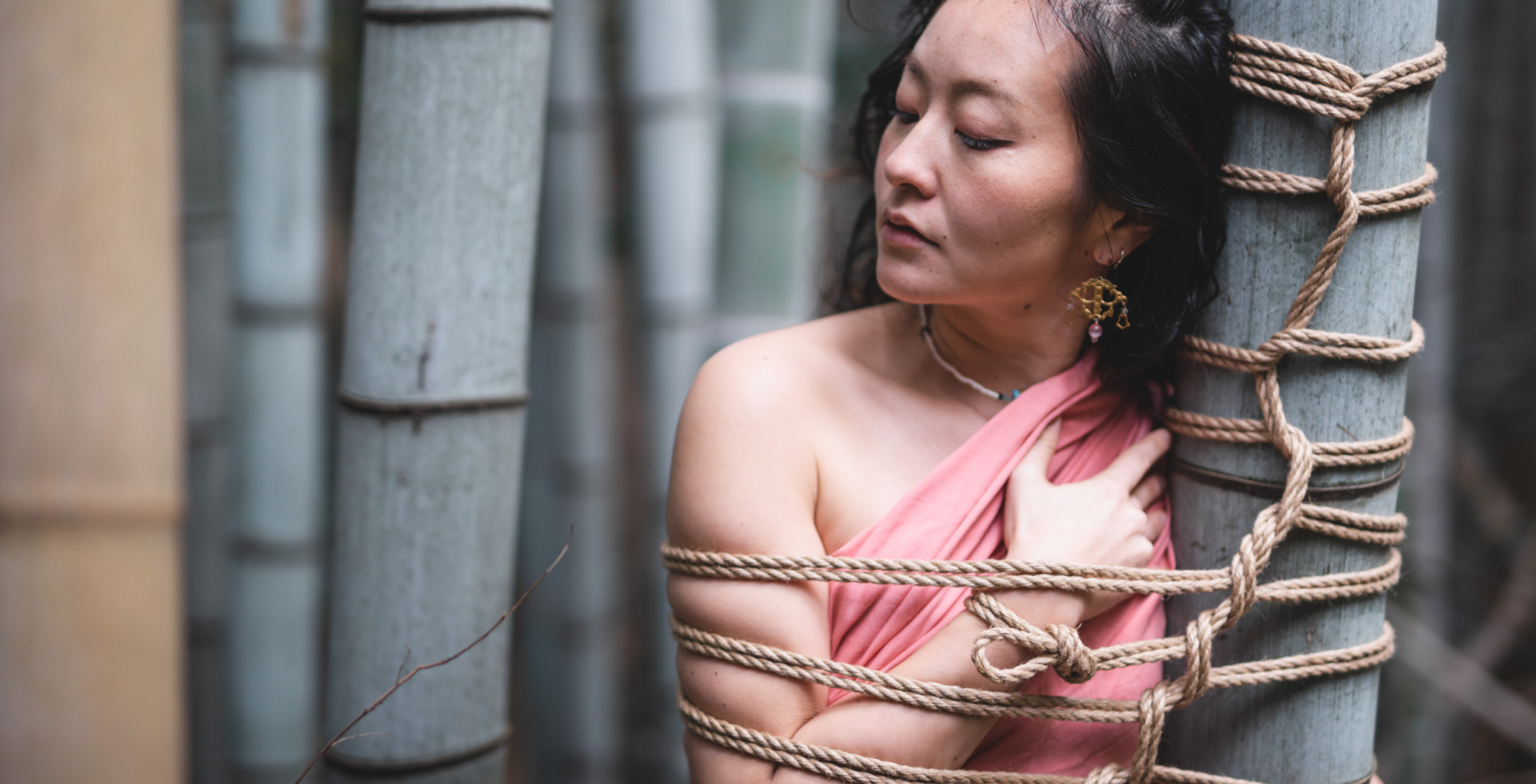
Anastasia
I feel that it's time to share my approach to shibari with you! I have been discovering shibari for myself for 6 years, constantly learning and developing my own style.