Your First Shibari Festival: What Actually Happens at Rope Events, Jams & Con Weekends
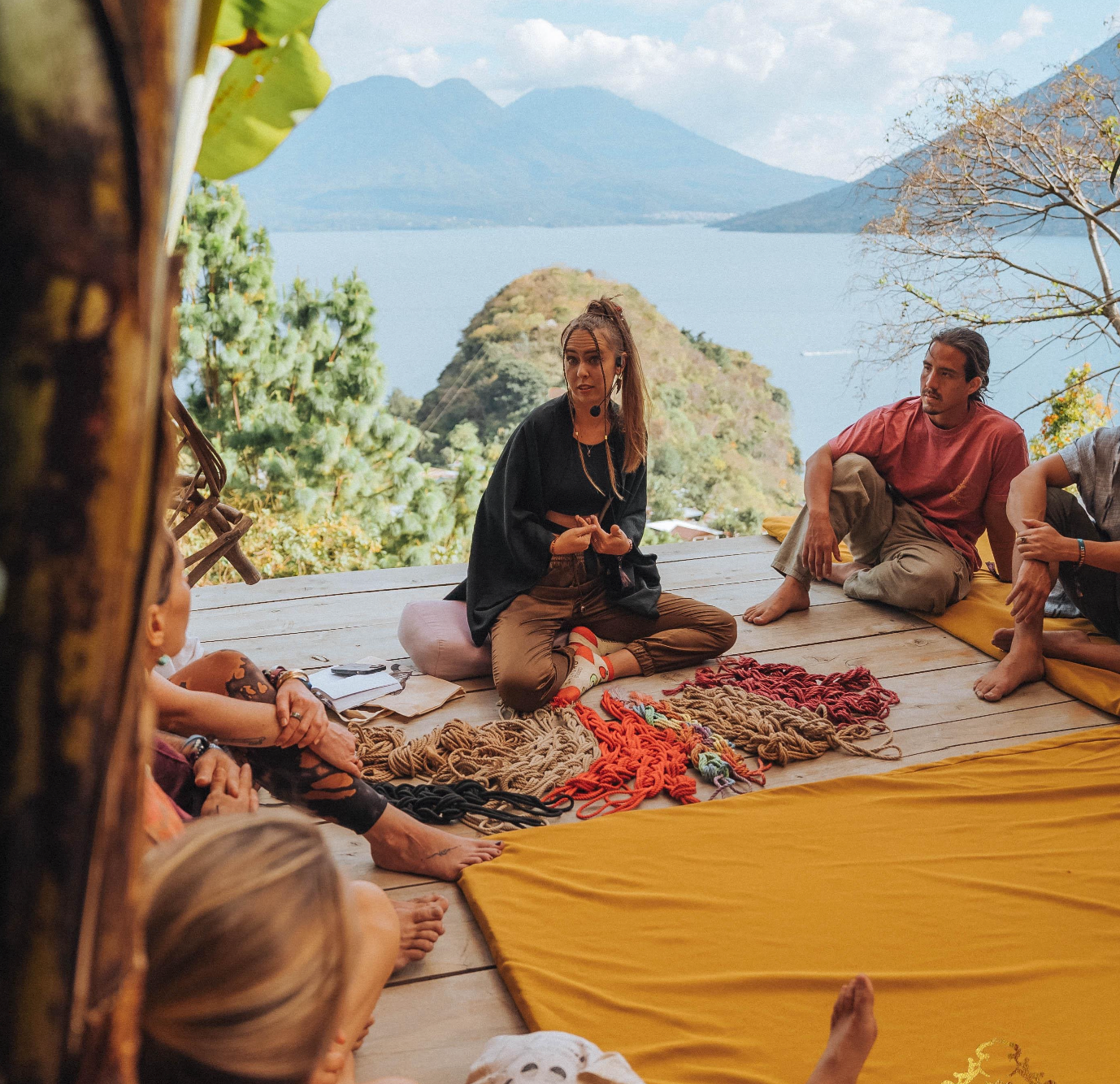
Written from personal experience - from the point of view of someone who has both taught the classroom and cried in the corner of a jam. Not a rulebook. Just what I wish someone had told me before my first one.
So you bought the ticket. Maybe it's a big European festival, not even a shibari one, sensual festival that includes rope... or maybe a small weekend con, maybe just a day jam in a studio. Your calendar says 2026 is a busy year for rope - Shibari Va, VoudouRopes jungle retreats, Tying in the Tropics, camps and jams popping up everywhere, plus a hundred little intro workshops you can find if you go looking. And now you're staring at the schedule wondering: what do I actually do when I get there? Who do I tie? Do I have to tie? What if nobody talks to me?
I keep hearing this question so many times from you guys. I've taught and performed at events across Europe, Latin America, and Japan, and I've also walked into rooms where I knew nobody and felt like the new kid at school. So let me tell you how a festival weekend really works - not the marketing version, the real one. Because a festival or a multi-day workshop & retreat is one of the fastest ways to grow in rope, if you know how to move through it.
The proof are my own shibari retreats I hold twice a year in Mexico - and honestly, a retreat is the gentler cousin of a festival. At a festival you have to build your own weekend; at a retreat, I build it for you. The schedule is decided for you depending on your level - so a total beginner and a developing rigger both get exactly the classes and practice they need, no guessing, no twelve-things-at-once panic. Everything is included - accommodation, food, rope, the classes, the jam time, the aftercare space - and all you have to do is show up and grow. It's small, it's paced, and that's exactly why people leave one having actually progressed, not just collected pretty photos. If that sounds like your speed, come see what one of my Voudouropes retreats actually looks like.
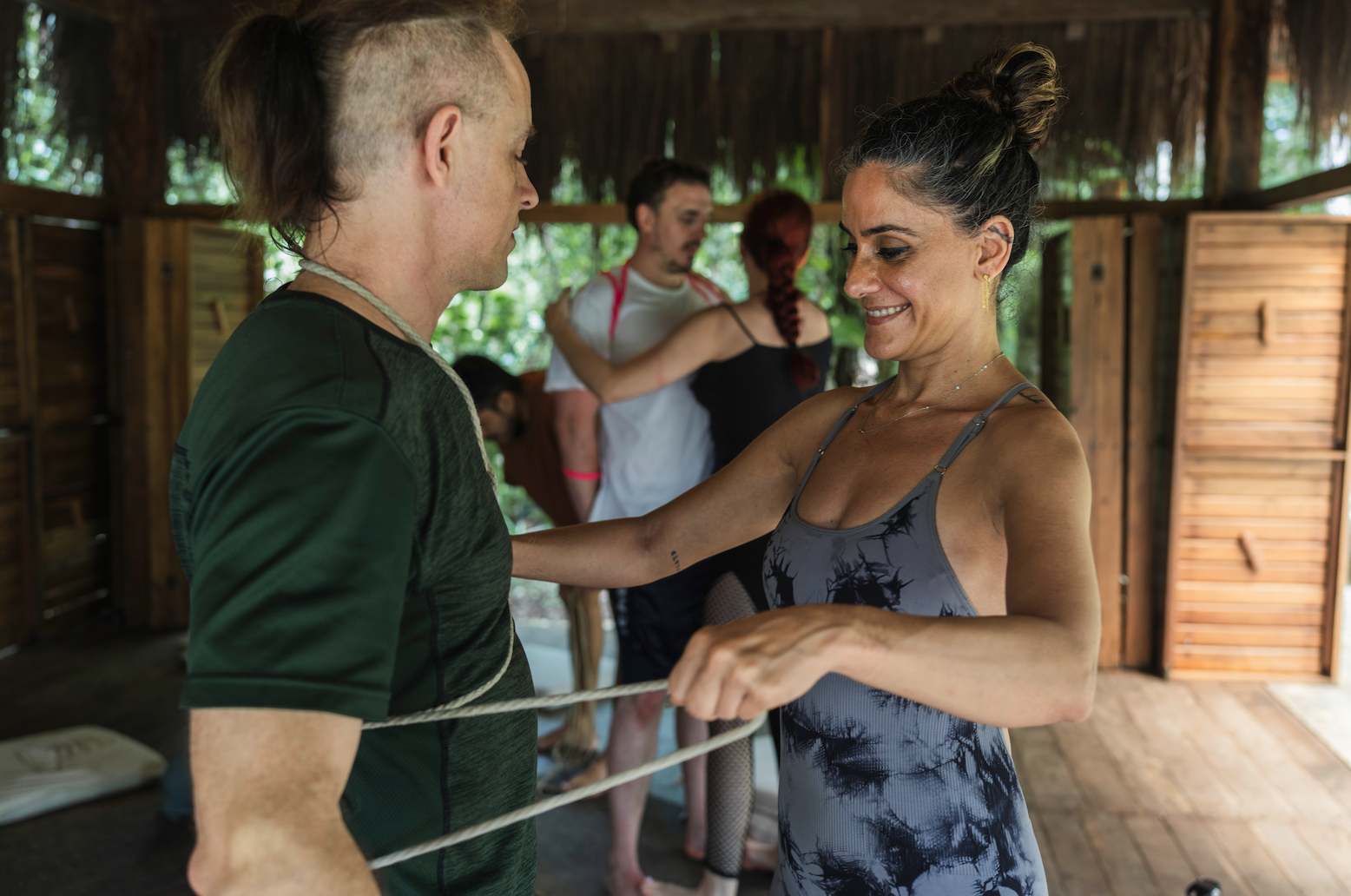
First, What Even Is a "Shibari Festival"?
Quick vocabulary, because the words get thrown around and nobody explains them.
A festival or con is usually a multi-day thing: a program of classes across skill levels, often some performances in the evening, vendors, and open jam time. A jam (or rope jam) is the unstructured part - a room, some space on the floor, maybe a couple of hard points, and people tying each other freely. In Japan these live in rope bars and salons, and I write more about that atmosphere in Learning Shibari in Japan.
A munch is the least kinky thing imaginable - coffee, chairs, no rope, just people talking, and honestly a great place to arrive first if the whole idea makes you nervous.
So the shape of a weekend is roughly: you learn during the day, you watch in the evening, and you play (or don't) in between. Simple. The nerves are in the details.
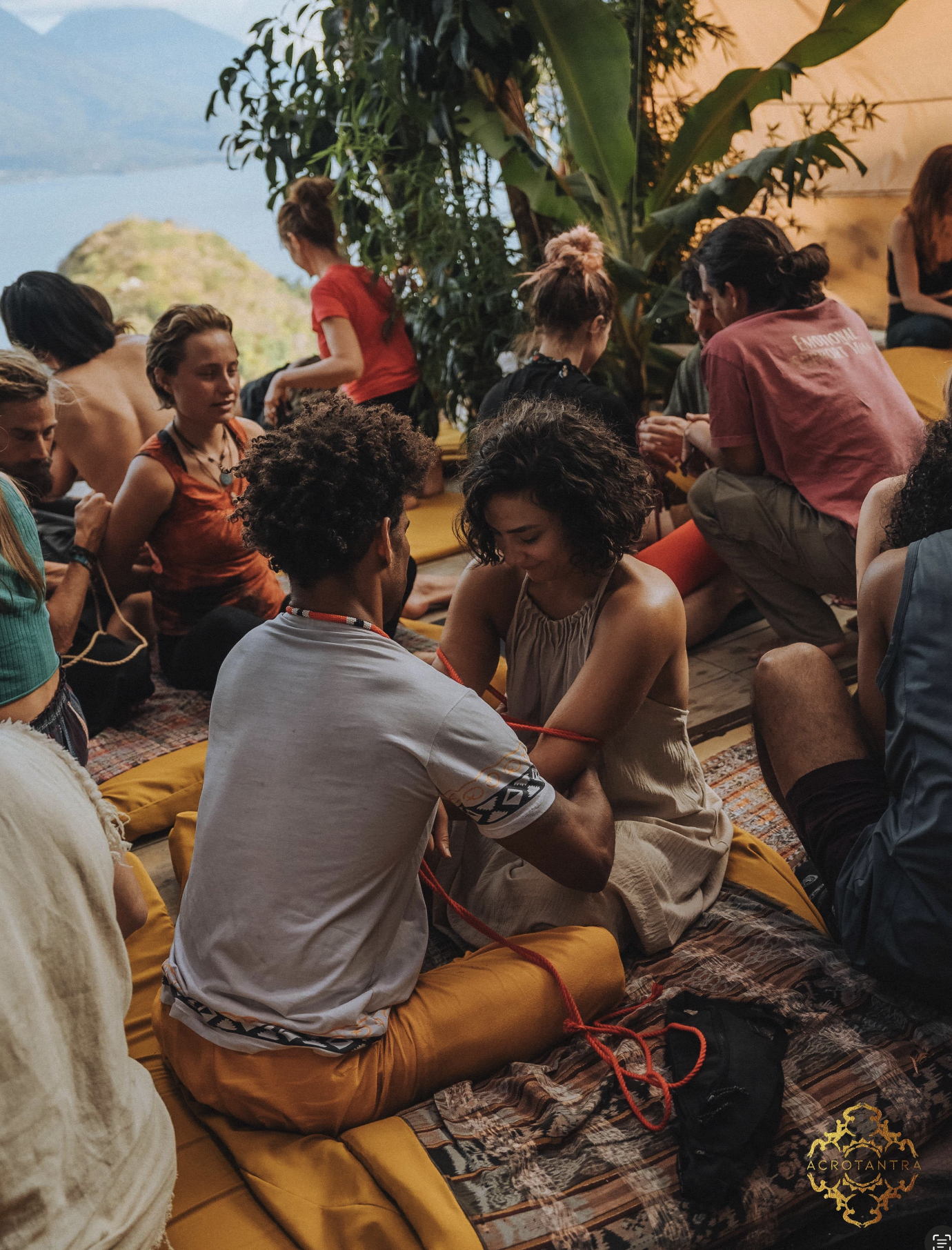
Choosing Your Classes (Please Don't Book Everything)
The first mistake - and I've made it - is greed. You see twelve delicious classes and you want all of them. Suspension at 9am, hip harness at 11, a floor-work intensive after lunch, a bottoming class in the evening. You imagine leaving the festival transformed.
What actually happens is your hands stop working by day two and your brain turns to soup.
Here's how I'd choose instead:
Pick ONE thread and follow it. If you're new, that's floor work and fundamentals - a single column tie, a chest harness, tension and frictions. Not suspension. Suspension shibari looks cool on Instagram, but it's not where you should start, and a weekend con is not the place to be dangled for the first time. I say this with love in Is Shibari Safe?.
Leave gaps on purpose. An empty slot is not wasted. That's when the real learning happens - you go practice the thing you just learned while it's warm, or you sit and watch the jam, which teaches you more than you'd think.
Read the class description honestly. "Intermediate, prior suspension experience required" means exactly that. There's no shame in taking the beginner track - there's only ego in taking the wrong one, and shibari is not a platform for showing off.
Take at least one class that isn't a tie. A bottoming class, a communication or negotiation class, an aftercare talk. These change your rope more than any fancy harness will.
A tie is not something you collect. If you leave a whole weekend having truly understood one pattern in your own hands, that's a fantastic weekend. Really!
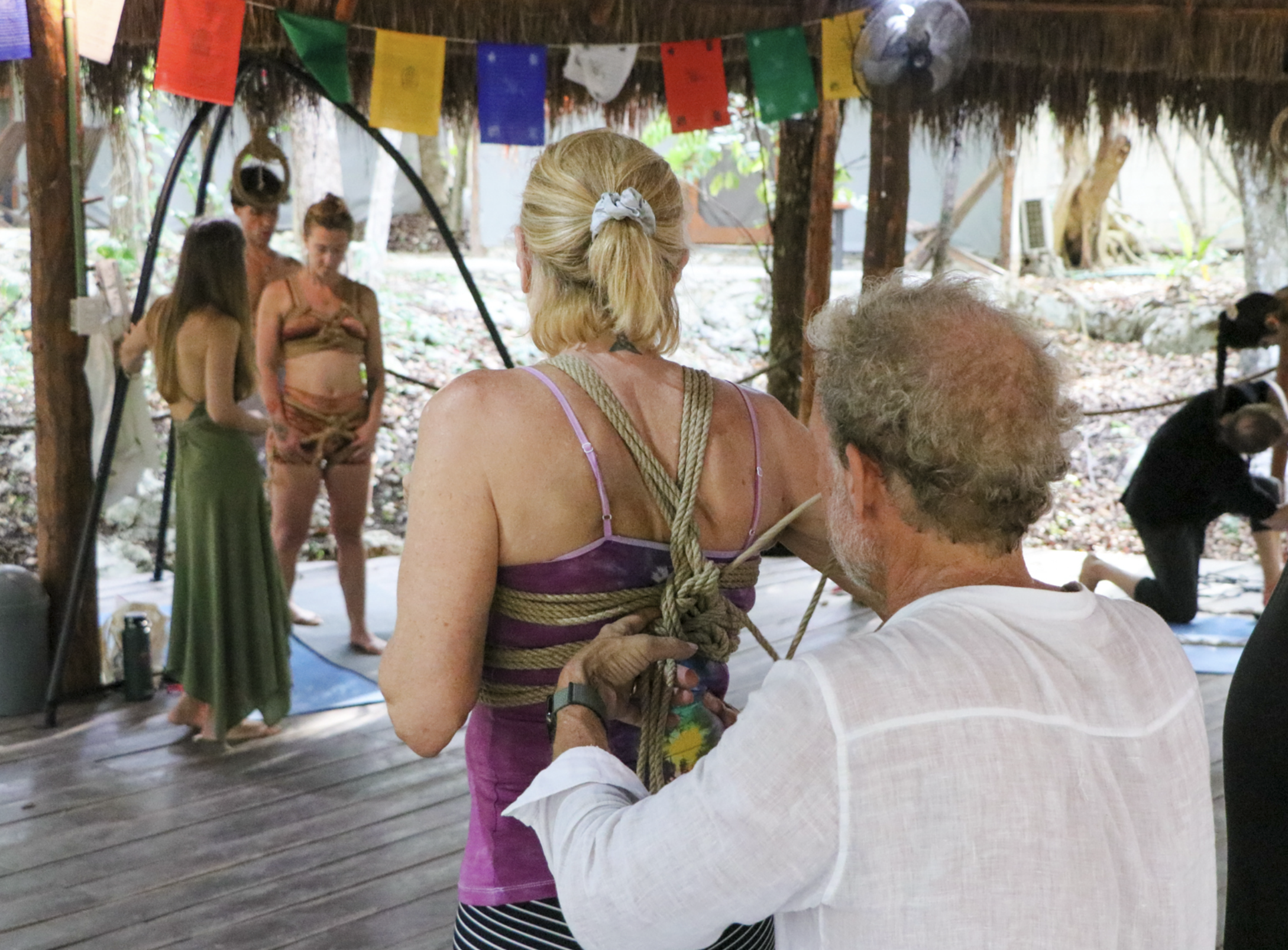
Jam Etiquette: The Part Nobody Explains, So Here It Is
The jam is the heart of a festival and also the scariest room in the building. Let me demystify it.
You do not have to tie anyone. Say it again. You can go to a jam and just sit, watch, sip your water, and leave. Watching experienced people is not lazy - it's study. Some of my biggest leaps came from sitting quietly and noticing how someone's hands moved, how they breathed with their partner, the little pauses.
When you do want to play, here are the unwritten rules that keep a jam warm instead of weird:
Ask before you touch anything - a person, their rope, their scene. You never walk up and join a tie in progress. You never touch someone's rope bag. Watching is fine from a respectful distance; hovering right over a scene is not.
Bring your own rope. Rope is personal, like a toothbrush. Don't expect to borrow, and if someone lends you theirs, treat it like the gift it is.
Clean up your space and your energy. Wipe down, coil your rope, keep your voice low near scenes. A jam is a shared living room, not a stage for you.
Don't give unsolicited feedback. If you see someone tying "wrong," it is not your job to correct them mid-scene - unless you see an actual safety problem (a hand going white, rope placement that leads to problems), in which case a quiet, kind word is care, not criticism.
Photos: ask, every single time. A lot of jams say NO PHOTOS. Many people are there precisely because it's private. Never lift a phone without explicit yes.
And my favorite piece of advice for a first jam: find the organizers or a DM (dungeon monitor / safety host) and say hello. "Hi, it's my first event, I don't really know anyone yet." I promise this sentence unlocks the whole room. Rope people, at their best, love a newcomer who arrives with humility and curiosity.
Negotiating With a Stranger (Yes, You Can Do This)
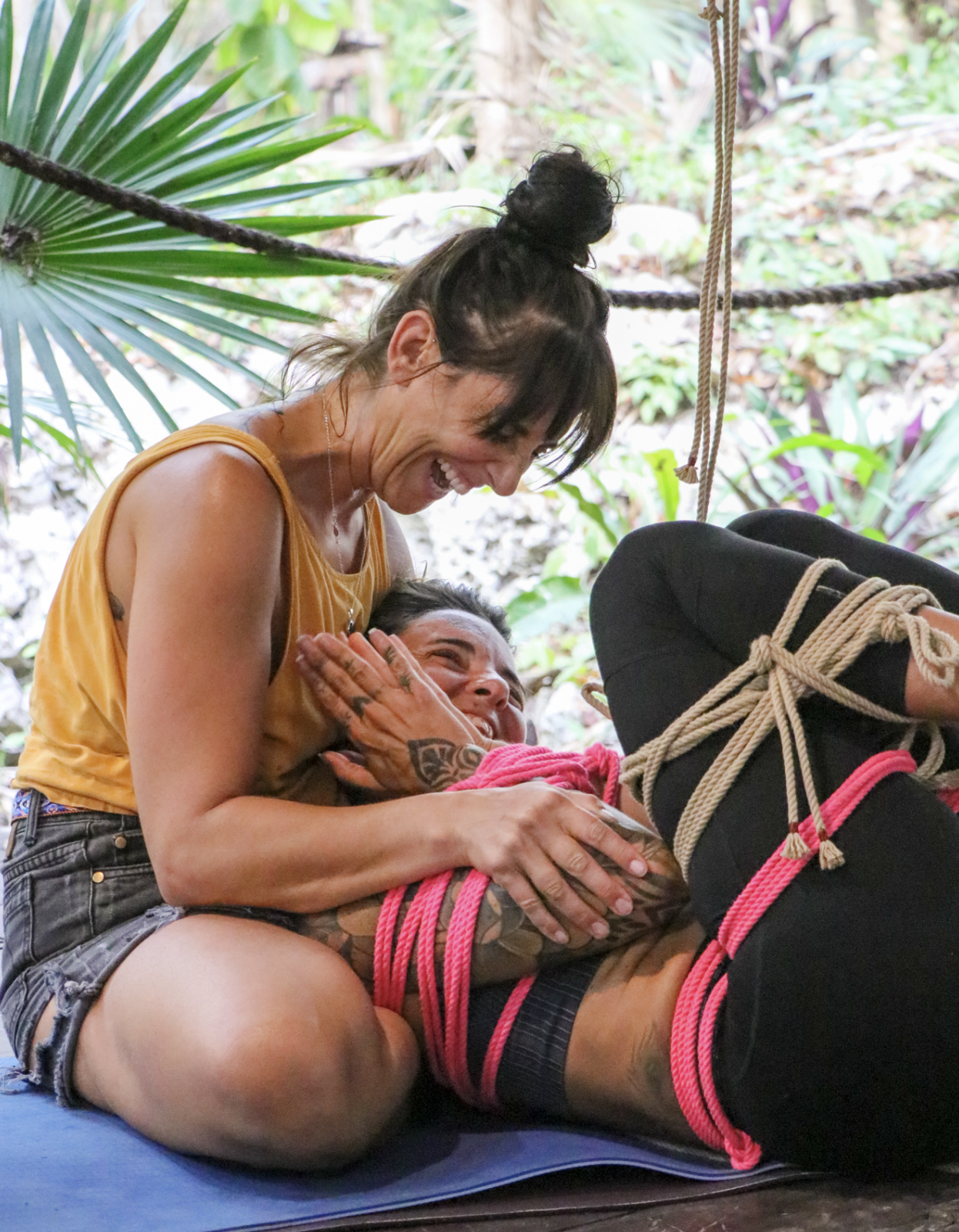
This is the moment most beginners dread - approaching someone you don't know and somehow arranging to put rope on each other. It feels enormous. It's actually just a conversation, and there's a shape to it.
Before a single knot, you talk. Limits, health, what you each want to feel, and a way to stop. I mean this literally - negotiation is the kinky version of reading the instruction manual, only more fun and way more important.
Here's a simple frame you can borrow:
What are we doing? "I'd love some slow floor work and maybe a chest harness. No suspension, no partial. I'm not looking for anything sexual, just rope and connection." Name the scope out loud.
Bodies and health. "My left shoulder is cranky, please go easy there." "I get tingling in my hands fast, so I'll speak up." Ask the same of them.
How we stop. Agree a safe word ("red" works) and agree that a stop is honored instantly, no negotiation, no sulking.
Where are your shears? This is not rude - it's a green flag. Any good rigger will show you their safety cutter without blinking. If they don't have one, do not proceed.
Aftercare and check-in. "I usually need a few quiet minutes and some water after. Can we do that?" And a next-day message is basic decency, not romance.
A whole class exists at most festivals just for this, and I wrote a long piece on it from the tied person's side - Being a Shibari Model. The core of it: rope bunny = partner, not prop. A tie is 50% the person being tied (if not more, since they endure it!). You're not "getting" a partner at a jam. You're co-creating with one.
And if you get a bad vibe? You walk away. "I'm sorry, I've changed my mind" is a complete sentence. Consent withdrawn at any moment is consent respected. A good community has your back on this - every time.
Pacing Your Body Across Days
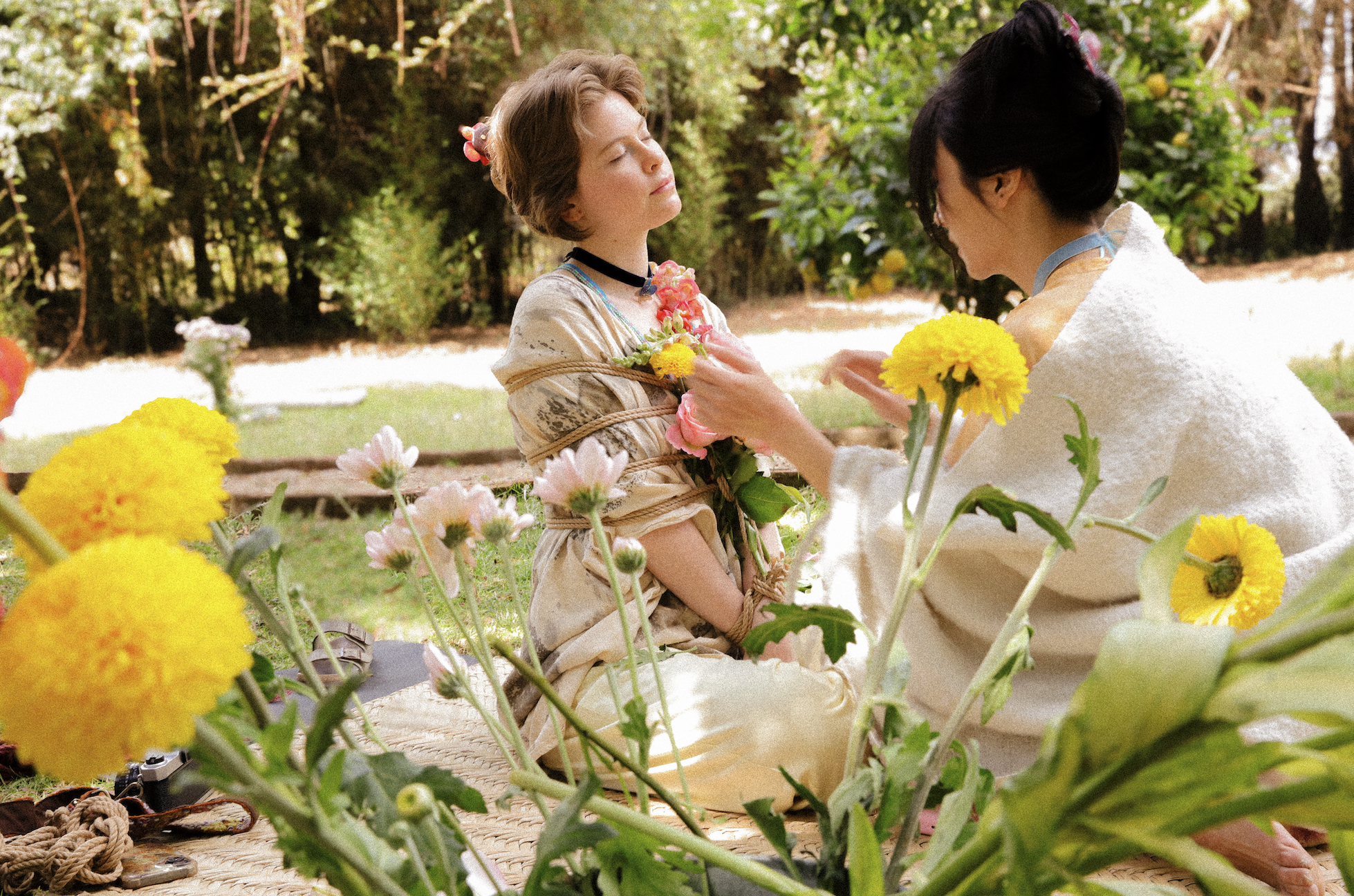
Here's the thing nobody tells you: a festival or a retreat is an athletic event. Whether you tie or get tied, multiple days of rope is a marathon, and your body keeps the score.
For the ones being tied - I know you think it's a very sexy process, but a lot of it is just physically demanding. Rope presses on muscles and joints. Do not hit the gym hard the day before; sore muscles make every tie feel sharper. Hydrate more than feels necessary. Eat before you play, not after. And listen to your body - it will send you signals long before it sends you an injury.
For the ones tying - your hands are the instrument, and by day three they're tired, which is exactly when technique gets sloppy and tension gets careless. Stretch your hands. Rest between scenes. Check your tensions when you're fresh and especially when you're not: the two-finger rule doesn't take the weekend off. You should be able to comfortably slide two fingers between the rope and your partner's body, every tie, every day.
And for everyone, the refrain I will repeat until I'm blue: if it tingles or goes numb, free it up. For the first time in almost seven years of tying, drop hand happened to one of my models - a nerve injury after a suspension - and it taught me that no shape is worth pushing through a warning sign. I tell that whole story in How to Avoid and Deal with Nerve Damage. There is no ultimate tie that fits everyone; every body is different. An event is not the place to prove otherwise.
Practical pacing plan? Two, maybe three real scenes a day is plenty. Sleep. Drink water like it's your job. Say no to the 1am jam if your body is done. FOMO is real, but so is a strained shoulder and fingers that refuse to move.
What to Wear, What to Pack
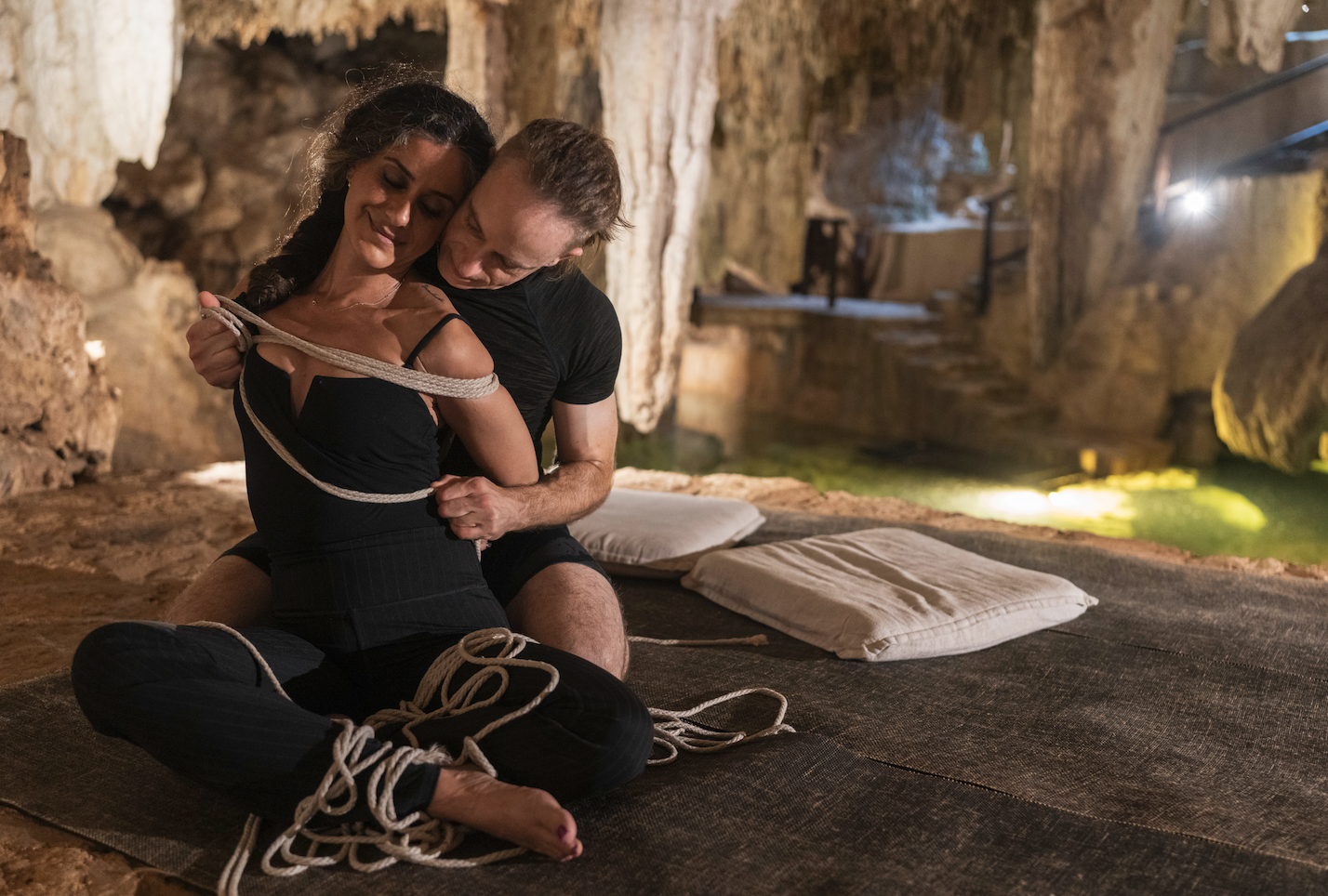
Quick and useful. For clothes - honestly? Wear whatever you like, as long as you can move in it and rope won't snag on it. Form-fitting is easiest (leggings, a tank), skin is fine if the space allows it, and skip chunky belts, big jewelry, anything with hard bits under the rope. I go deeper in What Should I Wear for a Shibari Session.
Your festival bag, from experience:
Your own rope, coiled and ready
Safety shears - bring your own even if you're bottoming; it shows you're prepared
Water bottle and snacks (chocolate, anyone?)
A blanket or big scarf - for aftercare, for the chill that comes after
Hair ties, a small notebook for classes, cash for vendors if any are present at the event
Comfortable layers, because rope rooms swing between freezing and sweaty
The Evening Shows - and Letting Yourself Be Inspired
Many festivals end the day with performances, and I love these. This is rope as art - some people would show sensual performances, others crazy circus suspensions, some would do the decorative festival harnesses.
Don't watch them and feel small.
Watch them the way you'd watch a dancer: notice the pace, the breath, the silent dialogue between two people. That's the love they put into it, the real skill, not the knot count.
If you want a taste of the decorative rope you could wear at a festival... here's one of mine - how a festival harness begins:
And then let it go. Come back to your own hands, your own body, your own beginner's harness. Your body doesn't care how difficult your knots are - that's only your eyes.
After the Festival: The Drop Is Real
One last thing, and it's important. A few days after a big, connected, emotional weekend, you might crash. Flat, teary, oddly lonely. That's subdrop, and it's normal - all those endorphins and all that intimacy, then suddenly you're back home doing laundry.
Aftercare doesn't end when you leave the venue. Rest, eat well, message the people you tied with, and be gentle with yourself. If a rope mark or tingle from the weekend lingers, pay attention and see someone if it's serious. Rope isn't just about tying knots; it's about the people and the connection - and that includes the quiet days after. I wrote a whole guide on aftercare and post-scene care if you want to prepare for that side too.
So - Should You Go?
Yes. Absolutely. Go with humility, go with your own rope and your own shears, go with a plan to do less than you think you can. Say hello to the organizers. Watch more than you tie. Negotiate slowly, stop instantly, sleep hard.
A festival won't turn you into a master in a weekend - nothing does. But it will show you a room full of people who love this strange, tender art as much as you do, and that changes something. Welcome to the rope family.
If you want to arrive with your fundamentals already warm - your first knots, your safety basics - that's exactly what the learning paths on my site are for; walk in prepared and the whole weekend opens up.

Written by
Anastasia
I feel that it's time to share my approach to shibari with you! I have been discovering shibari for myself for 6 years, constantly learning and developing my own style.